
Blog

la fuerza en ciclismo

Strength training for cycling: why it matters and how to train it

Cyclists used to think that lifting weights was something for bodybuilders. In fact, many avoided this type of work for fear of gaining weight (muscle mass) and therefore worsening relative aerobic performance (watts/kg). Today, however, this view has changed. Let’s see why and whether we should include strength training in our cycling plan.

Read More »
puntos débiles del ciclismo

Major weaknesses of cycling and how to compensate them: more than training

Road cycling is a fascinating sport that combines endurance, adventure, and freedom. For many enthusiasts, it becomes a lifestyle, but the obsession with accumulating hours and watts can lead them to overlook key health and performance factors. Several studies suggest that most cyclists pay little attention to aspects such as oral health or bone density, and that more than half experience lower back discomfort at some point. This article reviews the main weak points of the average cyclist and offers concrete strategies to compensate for them without giving up athletic progress.

Read More »
carbohidratos en ciclismo

Nutrition in cycling: beyond the 90 g/h

For years sports nutrition guidelines recommended ingesting 30–60 g of carbohydrates (CHO) per hour during endurance events, raising the figure to around 90 g/h when glucose and fructose mixes were used. However, recent studies in elite mountain runners show that increasing intake up to 120 g/h clearly reduces internal training load and markers of muscle damage, in this article we review the current literature about this.

Read More »
Ganador Titan Desert Arabia m50

Preparation of a winner of the Titan Desert Arabia M50

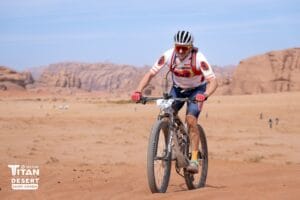
The recent success of our cyclist Josep Maria Gomez with a win in the Titan Desert Arabia, of the overall classification in the M50 category and three stages, was the result of his perseverance and dedication to training, along with a meticulous focus on four fundamental pillars: intensive use of the mountain bike (he is primarily a road cyclist), heat and hypoxia training, high training volumes on weekends, and a tapering plan tailored to the competition. Below, we analyze each aspect in detail.

Read More »

JS Cycling Training